What Is Bentonite Cat Litter?
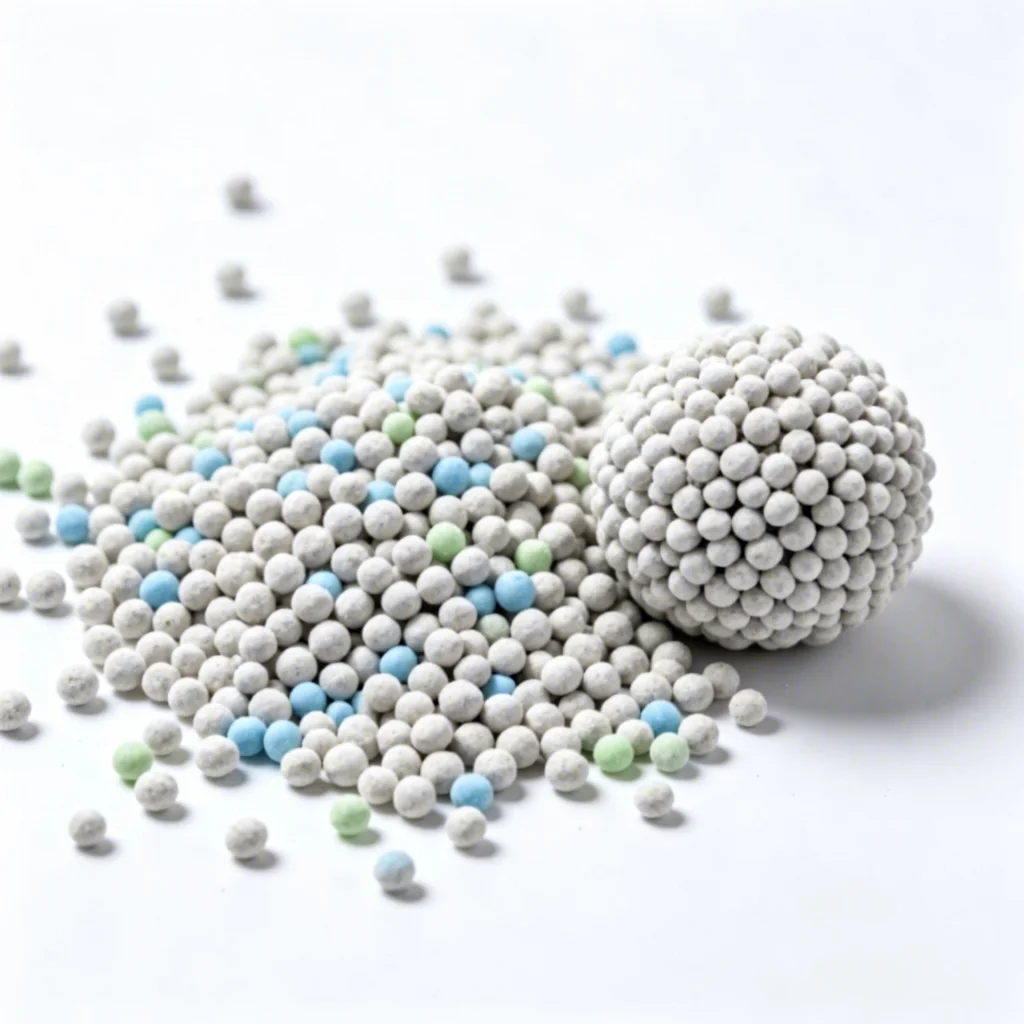
Bentonite cat litter (also called clay cat litter or clumping clay litter) is made from sodium bentonite, a natural clay with the unique property of swelling to many times its volume when wet. When urine hits the granules, the clay expands and forms a firm clump that can be scooped out whole — leaving the rest of the tray clean and dry.
Bentonite is the world's highest-volume cat litter category: the value anchor of the industry, and the format most importers start with. Our bentonite comes from our own mine in Liaoning, China, processed into uniform spherical granules for consistent clumping (≤3 seconds), controlled dust (≤0.1%), and clumps that hold their shape during scooping, transport, and warehouse storage.
Automatic Litter Box Compatibility
Clumping bentonite is the most widely compatible litter type for automatic litter boxes. Scoop-style boxes (which rake through the litter and dispose of clumps) and rotating drum boxes are both designed around clumping clay. Our spherical granules sieve cleanly and clumps hold their shape through the mechanism — if you are launching with an automatic box, bentonite is the safest pairing.
How does this bentonite cat litter work?
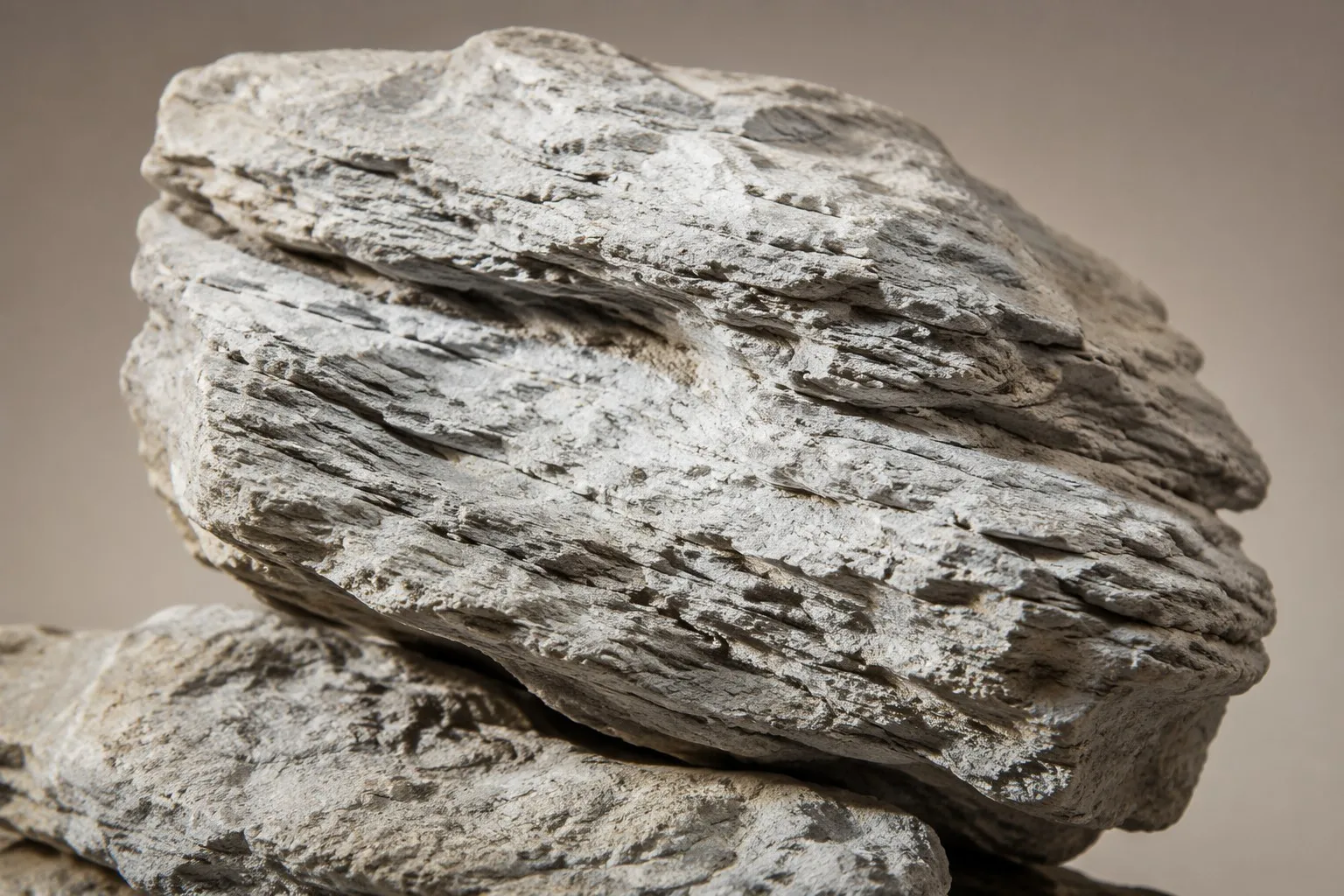
This is natural bentonite — mined from deep deposits (40–60 meters below the surface) at our Liaoning mine. Processed into uniform spherical granules for optimal clumping and minimal dust. The result is a clump that holds its shape during cleaning, doesn't crumble during transport, and maintains integrity for months in warehouse storage.
| Parameter | Specification | Test Method |
|---|---|---|
| Raw Material | Natural Bentonite | XRD Analysis |
| Montmorillonite Content | ≥50% | XRD / Methylene Blue Test |
| Granule Shape | Spherical | Visual Inspection |
| Clumping Speed | ≤3 seconds | 50ml water @ 25°C |
| Clump Strength | ≥4kg (drop) | 50cm drop |
| Dust Content | ≤0.1% | ISO 8130 Sieve Method |
| Odor Control Duration | 5–7 days | Ammonia Absorption Test |
| Moisture | 4%–8% | Oven Dry @ 105°C |
| Bulk Density | 0.85–1.05 g/cm³ | Tapped Density Method |
| Particle Size | 0.5–2.5 mm | Sieve Analysis |
| Color | Natural Grayish-White | Visual / Lab |
| Scent | Unscented (Customizable) | — |
| Packaging | 5–20kg bags, Kraft or PE, printing | — |
| MOQ | 26 tonnes (1×20' FCL) | — |
B2B Buyer Tip: Ask your supplier about the origin of the raw material — is it mined from deep layers or the surface? Deep-layer bentonite is more uniform and produces less dust after transport. Surface ore is cheaper but unstable. A supplier who cannot tell you the mine depth is likely sourcing from unstable surface deposits.
Watch the Clumping Test
Spherical bentonite granules absorb water instantly — a firm clump in less than 3 seconds.
Why Bentonite Remains the Global Volume Leader
Bentonite is the largest single category in the global cat litter market — the majority of cat litter sold worldwide is still clay-based. That is not inertia: bentonite solves the two problems every cat owner cares about first (odor and scooping) at the lowest cost per kilogram of any material. Every other litter type is priced against bentonite as the reference point.
For wholesale buyers, that makes bentonite the anchor SKU: it is the product your customers already understand, the one that moves in volume, and the base that funds the higher-margin premium lines in your portfolio. Our bentonite ships primarily to the Middle East (UAE, Saudi Arabia, Qatar, Kuwait, Oman), Africa (South Africa, Nigeria, Kenya, Morocco), Latin America (Chile, Brazil, Peru), and value channels in North America — markets where delivery cost per kilogram decides the order, and where "best value cat litter" usually means bentonite.
B2B Buyer Tip: When a new buyer asks "which cat litter should I start with?", the commercially correct answer for most markets is bentonite — it is the lowest-risk volume product. Add tofu or cassava only after the volume channel is proven.
Sodium Bentonite vs. Calcium Bentonite: What Importers Need to Know
Not all bentonite is equal. There are two commercial types, and only one of them is used for clumping cat litter:
- Sodium bentonite — swells to many times its volume on contact with water, which is exactly the mechanism clumping litter relies on. Virtually every clumping clay litter on the market is sodium bentonite. Its swelling capacity and clump strength are what make scooping possible.
- Calcium bentonite — swells far less and is not used for clumping cat litter. It appears in non-clumping applications and industrial absorbents. If a supplier sells "bentonite cat litter" that does not clump properly, it is likely calcium-based or blended with non-swelling fillers.
When evaluating a supplier, ask for the XRD analysis confirming sodium bentonite content and the swelling index. Our deep-layer Liaoning ore is sodium bentonite, processed into spherical granules with a clumping speed of ≤3 seconds and clump strength of ≥4kg — the numbers that matter on your shelf.
Why is an "Own Mine" Important for Bentonite Cat Litter?
Most bentonite litter factories in China do not own their raw material source. They buy ore from third-party mines — often surface deposits with unstable quality and fluctuating specs. The result: your customers notice when one batch clumps perfectly and the next one doesn't.
Jinan Silk Pet controls the entire chain: mining → granulation → drying → screening → packaging. Our deep-layer bentonite produces uniform spherical granules. Every batch comes from the same geological layer — stable moisture, stable particle shape, stable performance.
What This Means for Your Business
- No Supply Disruptions: Third-party ore suppliers can run out of stock or hike prices. Own mine = guaranteed output.
- No Batch-to-Batch Surprises: Your customers notice when the litter suddenly becomes dustier or clumps poorly. This is a surface-mining problem — a problem you won't have with deep ore.
- SGS-Verified Documentation: We provide a COA (Certificate of Analysis) for every production batch. SGS inspection is available — transparency that builds trust with your end buyers.
- Cost Stability: No middlemen between the mine and the factory. Your FOB price reflects integrated costs, not marked-up margins.
OEM / Private Label Bentonite Cat Litter — How It Works
You focus on building your brand. We handle the product, packaging, certification, and logistics. Every OEM order follows this flow:
- Formula Confirmation: Standard spherical bentonite, or specify scent (Lavender, Lemon, Baby Powder), color, or dust suppression level. Samples ship in 5–7 days.
- Packaging Design: Bag size (5kg, 10kg, 15kg, 20kg), material (Kraft paper or PE laminate), custom logo, and label design. We help with labeling to meet EU, GCC, and Latin American market requirements.
- Trial Order: 26 tonnes (1x20' FCL). Test the market before committing to monthly volumes. Mixed container loading available — combine bentonite with tofu or cassava in one shipment.
- Production & COA: Every production batch is accompanied by a Certificate of Analysis. SGS inspection is available upon request. Shipped from Dalian or Tianjin ports — China's major bulk ports with the shortest inland logistics from Liaoning's bentonite mines.
Need a mineral cat litter option for your product range? We also supply silica gel crystal litter — the premium odor-control line for a two-tier mineral assortment. Comparing materials for a plant-based line instead? See our Cassava vs Tofu vs Corn cat litter comparison.
How Bulk Buyers Reduce Landed Cost on Bentonite
Freight can account for 30%+ of landed cost on long-haul routes, so the buyers who win on price optimize the logistics, not just the FOB price. Three levers we use with our distributor customers:
- Ton-bag + packaging mixed loading: ship bulk ore-ton bags and bagged product in the same container, cutting inland transport cost per tonne — a standard practice on Gulf and African routes.
- Port selection: Dalian and Tianjin are the shortest inland haul from the Liaoning mine belt. For Middle East and Africa destinations, this shaves days off transit versus suppliers shipping from southern Chinese ports.
- Volume contracts: committed monthly tonnage locks pricing against raw-material fluctuations and reserves production line capacity for your peak season — no last-minute allocation surprises.
Bentonite Quality Checklist: 4 Field Tests Before You Commit
Before placing a first order, run these four tests on the supplier's sample — the same tests we run on every production batch:
Pre-order bentonite verification
- Clumping speed: pour 50ml water on the sample — a firm clump must form within 3 seconds.
- Dust: pour from 30cm onto a dark surface — visible airborne dust indicates poor screening.
- Clump hardness: after 10 minutes, the clump must survive a 50cm drop without breaking (≥4kg strength).
- Ammonia control: seal a used clump in a container for 24 hours — strong ammonia smell means weak odor control.
For the full supplier evaluation framework — certifications, COA credibility, capacity, and contract terms — see our 8-Point factory verification guide and the private-label QC checklist.
Payment Terms & Order Process — What Bulk Buyers Should Expect
Before you send an RFQ, know the standard commercial terms so nothing surprises you at contract stage:
- Payment terms: 30% deposit to lock the production slot, 70% balance before shipment (against a copy of the shipping documents). T/T is standard; L/C at sight is available for established buyers.
- MOQ & trial orders: 26 tonnes (1×20' FCL) is the efficient MOQ. First-time buyers can start with a smaller trial or a mixed container (e.g. 13t bentonite + 9t tofu) to validate the market before committing volume.
- Documentation: commercial invoice, packing list, COA per batch, and certificate of origin are provided with every shipment; SGS inspection available on request.
- Lead time: 5–7 days for samples after formula confirmation; 10–15 days for production after deposit; transit 20–45 days depending on destination port.
- Contract protection: price validity is quoted with a validity window and exchange-rate reference, so both sides share currency risk fairly on multi-month programs.
Container Loading & Logistics — Transparent Numbers
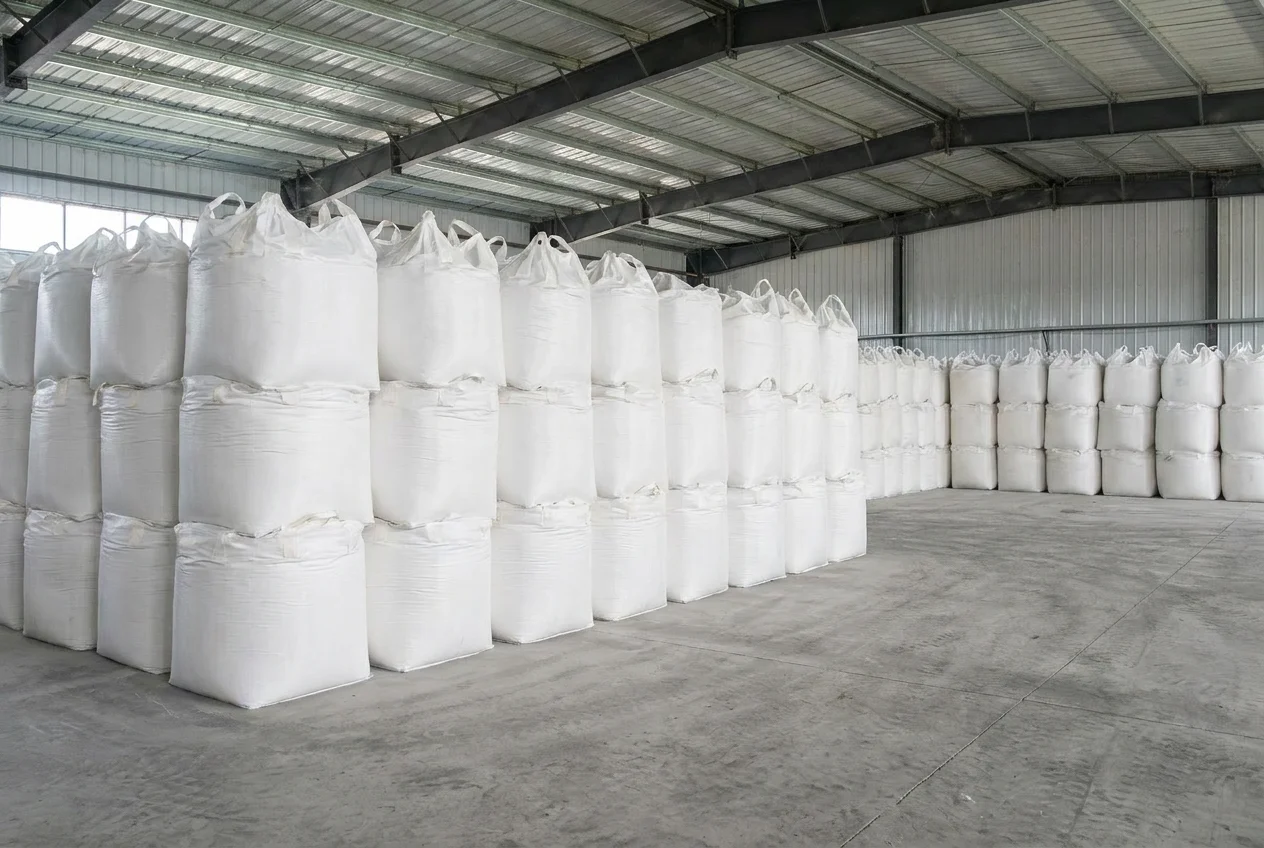
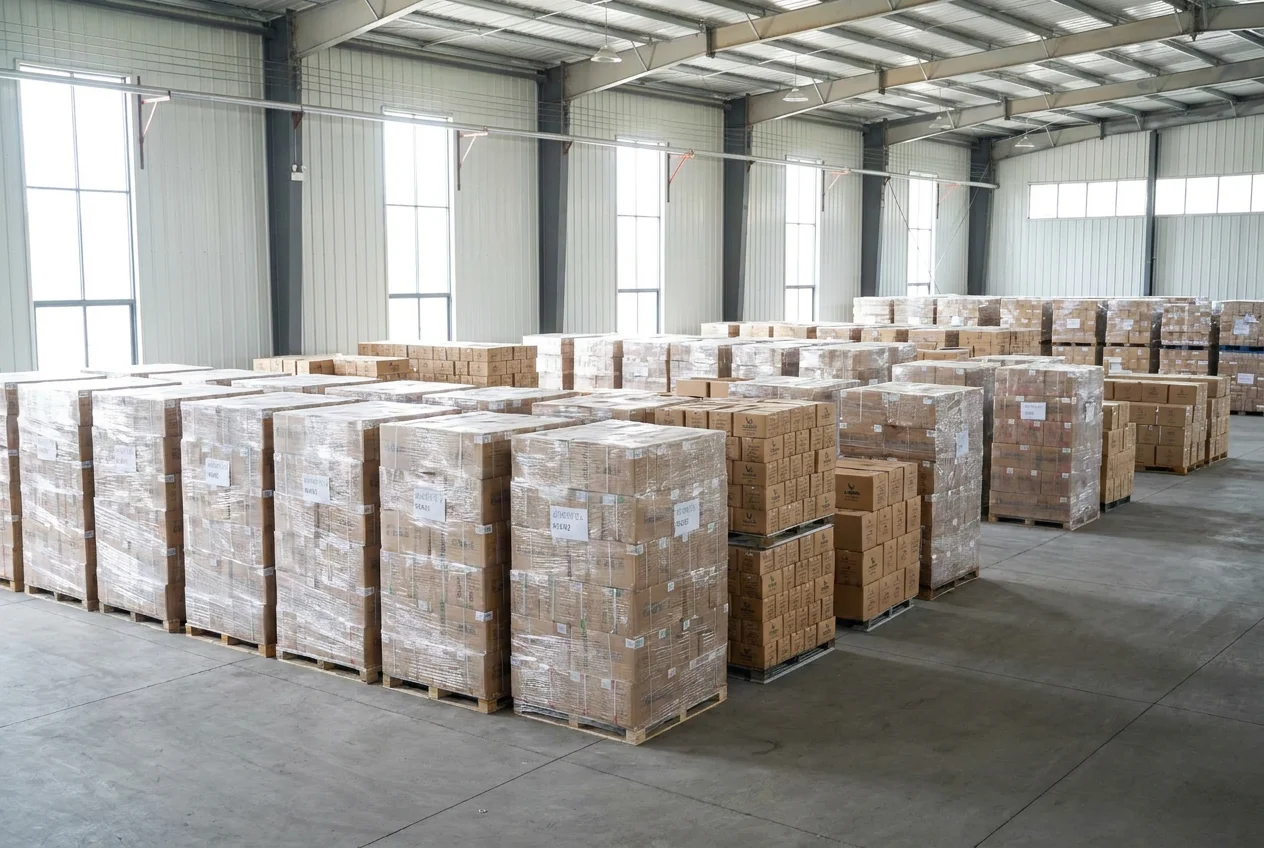
Bentonite is a dense product, which is good news for your freight budget: one 20ft container carries 26 tonnes — the best payload per container of any litter type we manufacture. Loaded at Dalian or Tianjin (China's major bulk export ports, closest to the Liaoning mine belt), with bulk ton bags and packaging materials combinable in the same shipment to save inland transport cost.
Because freight can account for 30%+ of landed cost on long-haul routes, we publish the loading math upfront: 26T per 20'FCL, mixed-container options (e.g. 13T bentonite + 9T tofu in one 20ft for market testing), and full documentation — COA, packing list, and SGS inspection on request.
Need the Actual Figures for Your Market?
Request the Bentonite Specification & TDS Sheet — bulk density with unit conversions, container loading math and batch COA sample — or get a WhatsApp loading estimate for your port pair. Middle East buyers: WhatsApp is the fastest channel, and our density data is already ranking on page one for your market.
See how bulk density changes container loading cost for the full weight-vs-volume economics.
Bentonite vs Other Litter Types — Quick Comparison for Importers
| Bentonite | Tofu | Cassava | |
|---|---|---|---|
| Clumping Speed | ≤3s (fastest) | ≤5s | ≤4s |
| Price per Tonne | $150–$250 | $350–$550 | $380–$500 |
| Container Load (20') | 26t (best price per kg) | 18t | 18t |
| Flushable | No | Yes | Yes |
| Shelf Life | 24+ months | 12–18 months | 12–18 months |
| Best Markets | Middle East, Africa, Latin America | Japan, Korea, Europe | Premium EU, North America |
| Dust Level | ≤0.1% | ≤0.05% | ≤0.05% |
Bentonite dominates price-sensitive and volume markets because its delivery efficiency per kilogram is unmatched. If your customers buy litter by the price per kilo, bentonite is the category they need.
Honest Product Assessment: Bentonite vs. Other Cat Litters
✅ Why importers keep bentonite as the core SKU
- Fastest clumping of any litter type (≤3 seconds) with clump strength ≥4kg
- Lowest cost per kilogram — the value anchor of every retail shelf
- Most compatible with automatic litter boxes (scoop and rotating designs)
- 24+ month shelf life — tolerant of slow warehouse turnover
- Global channel familiarity: end customers already understand the product
⚠️ Where other litters win — be honest with your buyers
- Not flushable — never recommend flushing clay litter
- Heavier per bag than plant-based litter; freight is per container, so weight is a landed-cost factor
- Odor control cycle is 5–7 days, shorter than silica gel's 30-day format
- Dust management requires tight granulation control (we hold ≤0.1% via ISO 8130 sieving)
- Weaker eco-narrative than tofu/cassava for sustainability-driven markets
Four Engineered Advantages That Sell Themselves
1. Own-Mine Vertical Integration — Consistent, Cheaper, Uninterrupted
Deep-layer ore from our own Liaoning mine means every batch comes from the same geological layer: stable moisture (4–8%), stable particle shape, stable performance. No third-party mine markup, no supply surprises in peak season.
2. ≤3-Second Clumping with ≥4kg Clump Strength
Urine is absorbed and the clump forms in under 3 seconds, then holds its shape through a 50cm drop test. Your customers scoop clean clumps without the "soup" problem that plagues weak formulas.
3. Dust-Controlled Granulation (≤0.1% via ISO 8130)
Multi-stage screening removes fines before bagging. Low dust means fewer respiratory concerns, less tracking through the house, and fewer returns from dust-sensitive buyers.
4. 5–7 Day Ammonia Odor Control + 24-Month Shelf Life
Ammonia absorption tested per batch, with unscented and scented (lavender, lemon, baby powder) options. A 24-month shelf life protects distributors with slow-moving stock.
Watch the Production Line
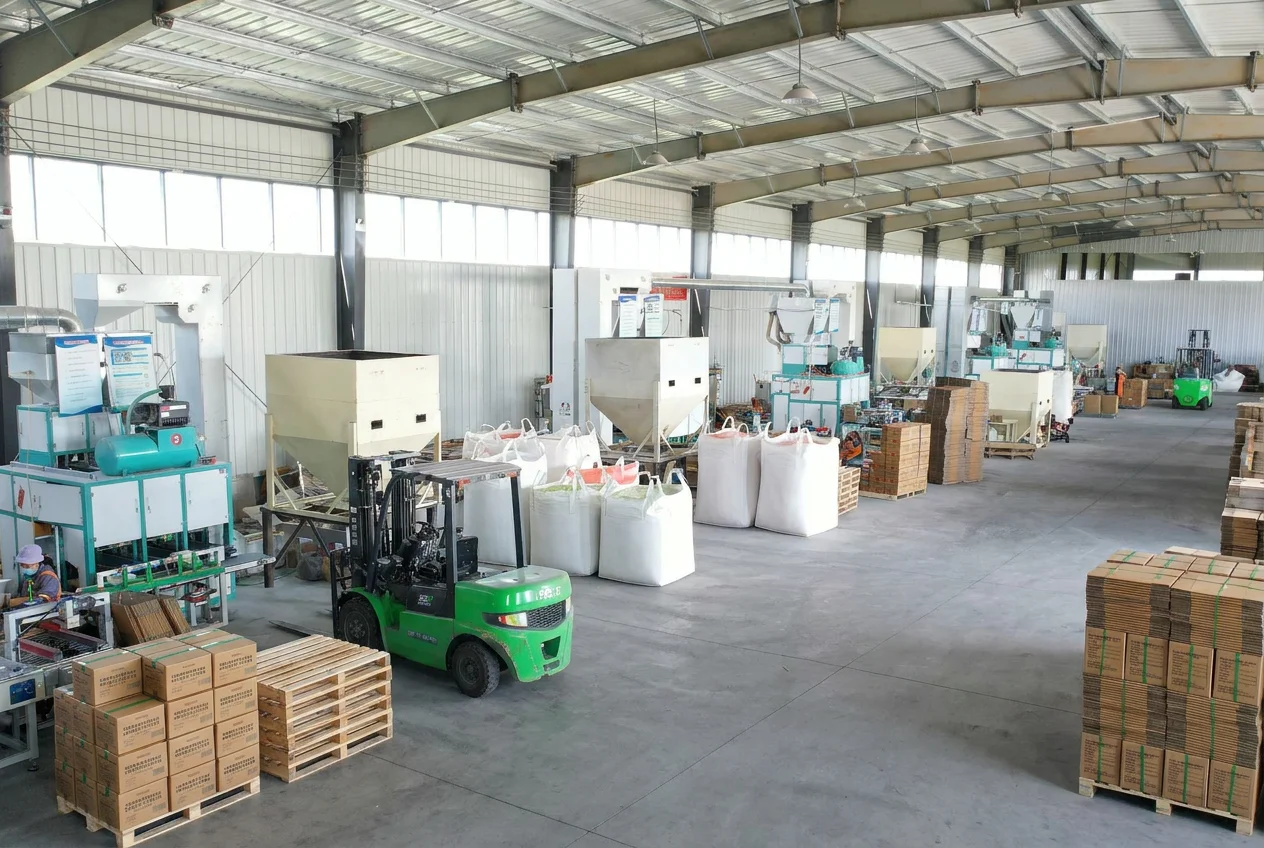
On-site mine production — close to the raw material source. Lower processing costs, faster turnaround.
Distributor Tip: B2B buyers operating in the Middle East, Africa, and Latin America consistently choose bentonite as their core SKU — a high-volume, low-cost product that builds retail shelf presence — and add tofu or cassava as high-margin premium SKUs. A mixed container with 2 SKUs from one supplier simplifies procurement and freight.
Regional Buying Notes for Importers
Bentonite's economics change by destination — here is what we adjust for each region:
| Region | What importers must know | How we respond |
|---|---|---|
| Gulf (Qatar, UAE, Saudi, Kuwait, Oman) | Hamad Port enforces a weight limit on 20GP; a full 26t bentonite load can exceed it. | We load 20GP to 1,650–1,680 boxes (~20.8t) and avoid 40HQ — a half-empty 40HQ at weight red line wastes freight. Verified per destination port. |
| Latin America (Chile, Brazil, Peru) | Chilean standard pallets are 1200×1000mm; Asian pallets are 1100×1100mm. | We switch to ISO 1200×1000mm pallets for Chile-bound orders to avoid downstream handling penalties. |
| Southeast Asia (Philippines, Indonesia, Vietnam) | High humidity raises moisture risk during transit; dust complaints spike in humid climates. | Moisture held at 4–8% per batch COA, moisture-barrier bags standard, dust ≤0.1% via ISO 8130 sieving. See our desert vs tropical market guide for the full climate comparison. |
If you are comparing suppliers, run our 16-point factory quote checklist and claim verification audit — the same documents we send with every quotation.
Ingredient & Evidence Disclosure
Every bentonite order ships with the evidence pack an importer needs to verify the product and defend the label:
| Evidence Item | Status |
|---|---|
| Ingredient statement (sodium bentonite, montmorillonite content, additives) | Provided with quotation |
| Batch COA with test methods (montmorillonite %, density, moisture, dust, clumping, heavy metals) | Per batch, with batch number |
| Moisture-content test and drying method | Per batch |
| Moisture-barrier packaging confirmation | Confirmed at RFQ |
| Container loading plan (bulk density 0.85–1.05 g/cm³, bags per container) | Provided with quotation |
Third-party reports are provided with the TDS on request. Where a document does not yet exist for a specific claim, we say so rather than promise it.
Frequently Asked Questions About Bentonite Cat Litter
What is bentonite cat litter made of?
Bentonite cat litter is made from sodium bentonite — a natural clay formed from weathered volcanic ash and dominated by the clay mineral montmorillonite. After mining, the clay is dried, crushed or granulated, and screened for dust into the granules you see in the bag. No chemical additives are needed for clumping: the sodium bentonite itself swells and binds when wet. The two physical forms are crushed (irregular granules) and spherical (rounded, lower-dust) bentonite. Because the mineral comes from one geological layer, batch consistency depends on the mine — which is why we publish XRD analysis confirming sodium bentonite content on request.
What is a good MOQ for bentonite cat litter?
The standard MOQ for bentonite cat litter is 26 tonnes (1x20' FCL). This is the minimum efficient shipping volume. Some suppliers offer smaller trial batches, but freight costs per tonne increase significantly for less-than-container loads. We offer mixed container loading — combine bentonite with tofu or cassava to test multiple SKUs in one shipment.
How to evaluate bentonite cat litter quality before ordering?
Request a physical sample and check four parameters: (1) Clumping Speed — pour 50ml water, the clump should form within 3 seconds and hold its shape when scooped. (2) Dust — pour the litter from 30cm height onto a dark surface; visible dust in the air indicates poor screening. (3) Clump Hardness after 10 minutes — the clump should survive a 50cm drop without breaking. (4) Ammonia Odor Control — place a used clump in a sealed container for 24 hours and check for ammonia smell. Also, request production batch records and the supplier’s COA to verify stability. For a step-by-step review of what those documents should contain, see our guide to bentonite batch testing documentation.
Can scent, color, and packaging of bentonite litter be customized?
Yes. Scent options: Lavender, Lemon, Baby Powder, Unscented. The color can be kept natural (grayish-white) or lightly tinted. Packaging is fully customizable: bag size (5kg–20kg), material (Kraft paper or PE laminate), custom logo printing. We also provide labeling guidance to meet EU, GCC, and Latin American market requirements.
How does owning a bentonite mine help importers?
Three direct advantages: (1) Consistent Quality — every batch is from the same geological layer, so your customers never face 'bad batch' complaints. (2) Supply Stability — no dependency on third-party mines that could raise prices or run out of stock. (3) Price Edge — no middleman markup between the mine and the factory. Our FOB price reflects integrated costs from mine to port, not marked-up procurement chains.
Which countries import the most bentonite cat litter from China?
Major importers include the Middle East (UAE, Saudi Arabia, Qatar, Kuwait, Oman), Africa (South Africa, Nigeria, Kenya, Morocco), and Latin America (Chile, Brazil, Peru). These are price-sensitive, high-volume markets where bentonite’s low delivery cost per kilogram is the deciding factor for importers. Our mine's proximity to Dalian and Tianjin ports provides a logistic advantage for shipping to these regions compared to Inner Mongolian suppliers.
What is the difference between sodium bentonite and calcium bentonite?
Sodium bentonite swells to many times its volume on contact with water, which is the mechanism behind clumping cat litter — virtually all clumping clay litter is sodium bentonite. Calcium bentonite swells far less and is not used for clumping litter. When evaluating suppliers, ask for the XRD analysis confirming sodium bentonite content and the swelling index; a "bentonite" that does not clump properly is likely calcium-based or blended with fillers.
Is bentonite heavier than plant-based litters — how does it affect shipping?
Yes — bentonite has a bulk density of 0.85–1.05 g/cm³, roughly 40% heavier per volume than plant-based litter. That is a double-edged sword: it means 26 tonnes fit in one 20ft container (the best payload per container of any litter type), but it also means freight cost is calculated on a heavier weight basis. We publish the loading math upfront (26T/20'FCL, mixed-container options) so landed cost is transparent before you commit.
What certifications does your bentonite cat litter have?
Certified to ISO 9001 (Quality Management System), HALAL, HACCP, and SMDS. All products are manufactured in a 99.9% dust-free environment. Every production batch is accompanied by a Certificate of Analysis (COA) specifying clumping speed, dust levels, moisture, and particle size distribution. SGS inspection is available upon request.
What is the wholesale price of bentonite cat litter?
Bentonite is the lowest-cost-per-kilogram cat litter category. Our wholesale price range is $150–$250 per tonne FOB, depending on granule type (spherical vs crushed), scent, packaging, and volume. We publish transparent A/B/C grade pricing: request the current FOB quotation for your port pair and volume — freight, not FOB price, is usually the bigger landed-cost lever, which is why we also share the container loading math upfront.
What is the delivery time for a bulk bentonite order?
Samples ship in 5–7 days after formula confirmation. Production takes 10–15 days after the 30% deposit. Ocean transit is 20–45 days depending on destination (Middle East ~25–35 days, Latin America ~30–45 days, Southeast Asia ~15–25 days). Total door-to-port timeline is typically 45–70 days from order confirmation — volume contracts with committed monthly tonnage can reserve production slots so your peak-season delivery is protected.
Can I order private label bentonite cat litter under my own brand?
Yes — private label is a core part of our OEM service. You provide your brand; we handle formula (scent, color, dust suppression), packaging design (5–20kg bags, Kraft or PE laminate, custom printing), labeling to meet EU, GCC, and Latin American requirements, and documentation (COA, certificate of origin). Exclusive formulas are kept under NDA so your blend is never resold to a competing importer.